
” Γνῶθι σεαυτόν” – Inscription at the entrance of the Temple of Apollo at Delphi
Category: Blogroll
-
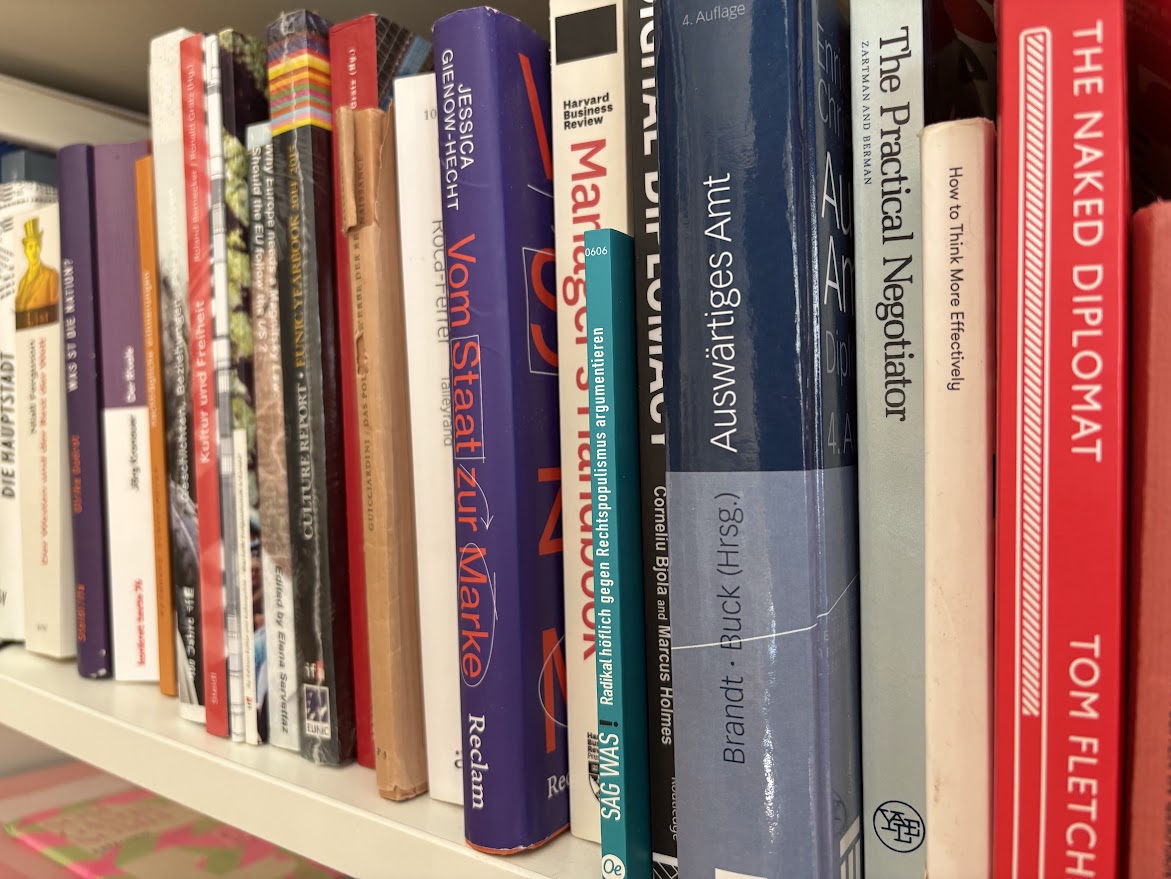
Rudin Harry R., ‘Diplomacy, Democracy, Security: Two Centuries in Contrast‘, Political Science Quarterly, 71/ 2, (June, 1956) pp. 161-181. Here are my thoughts on the selected text: Harry Rudin writes about political, economic and sociological shifts in the European society and about how its internal and international affairs have developed over the 19th century and the…
-
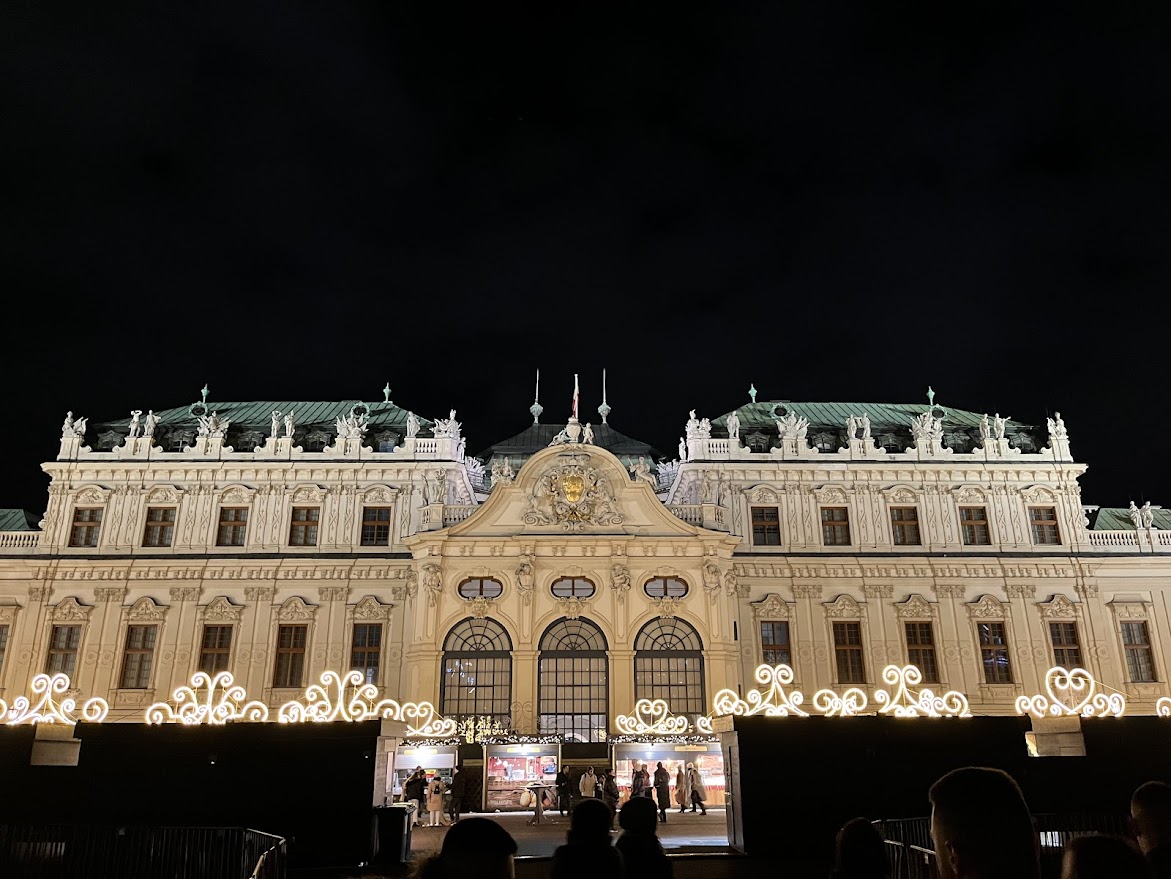
I am passionate about European Art History and have studied it continuously. During the process, it is enlightening to discover that in other countries, art history might be taught in different places, emphasising different aspects. For example, when I went to an Art high school in Germany, Ancient Greece and Rome, the Renaissance, and the…
-
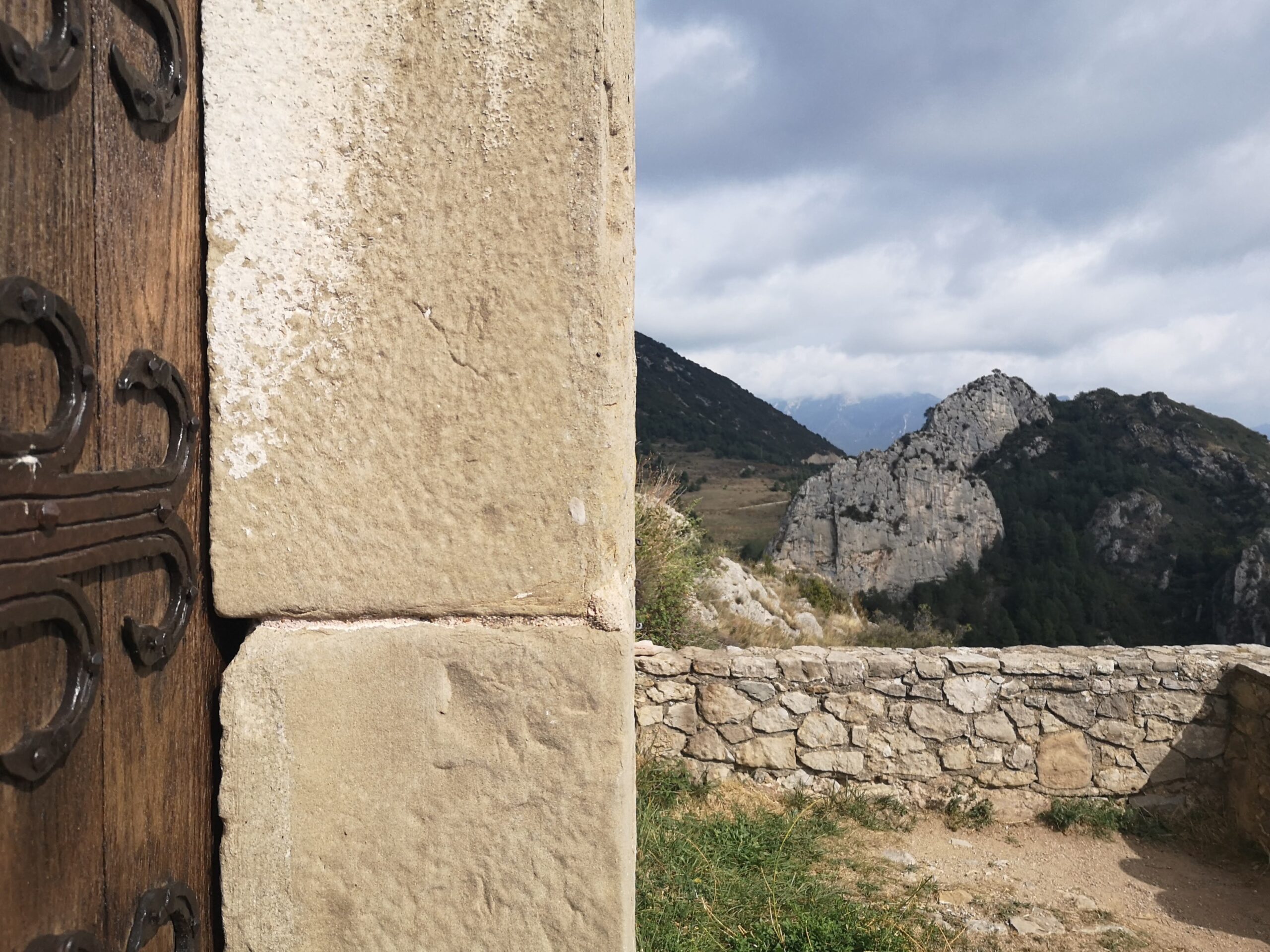
This is my first blog post, and I’m excited to share my insights with an interested audience. If you’ve landed on this page, you’re likely eager to learn about Europe. In this article, I will provide a brief overview of Europe’s diverse facets and highlight aspects that should not be underestimated. However, in this blog,…
-
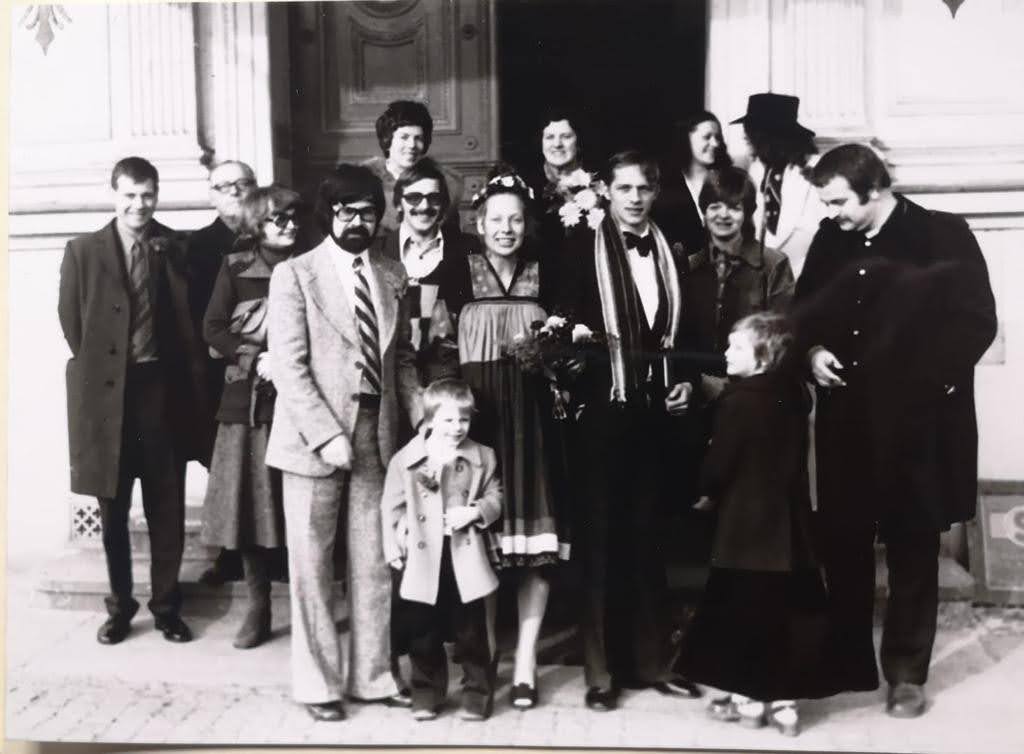
Or better: May I introduce you to my family tree? We are living in a rush. Sometimes I have overlooked the importance of things that cannot be purchased with money. Namely: history and heritage. But now I believe that understanding your own history is crucial because it provides you with a unique perspective and insight…