
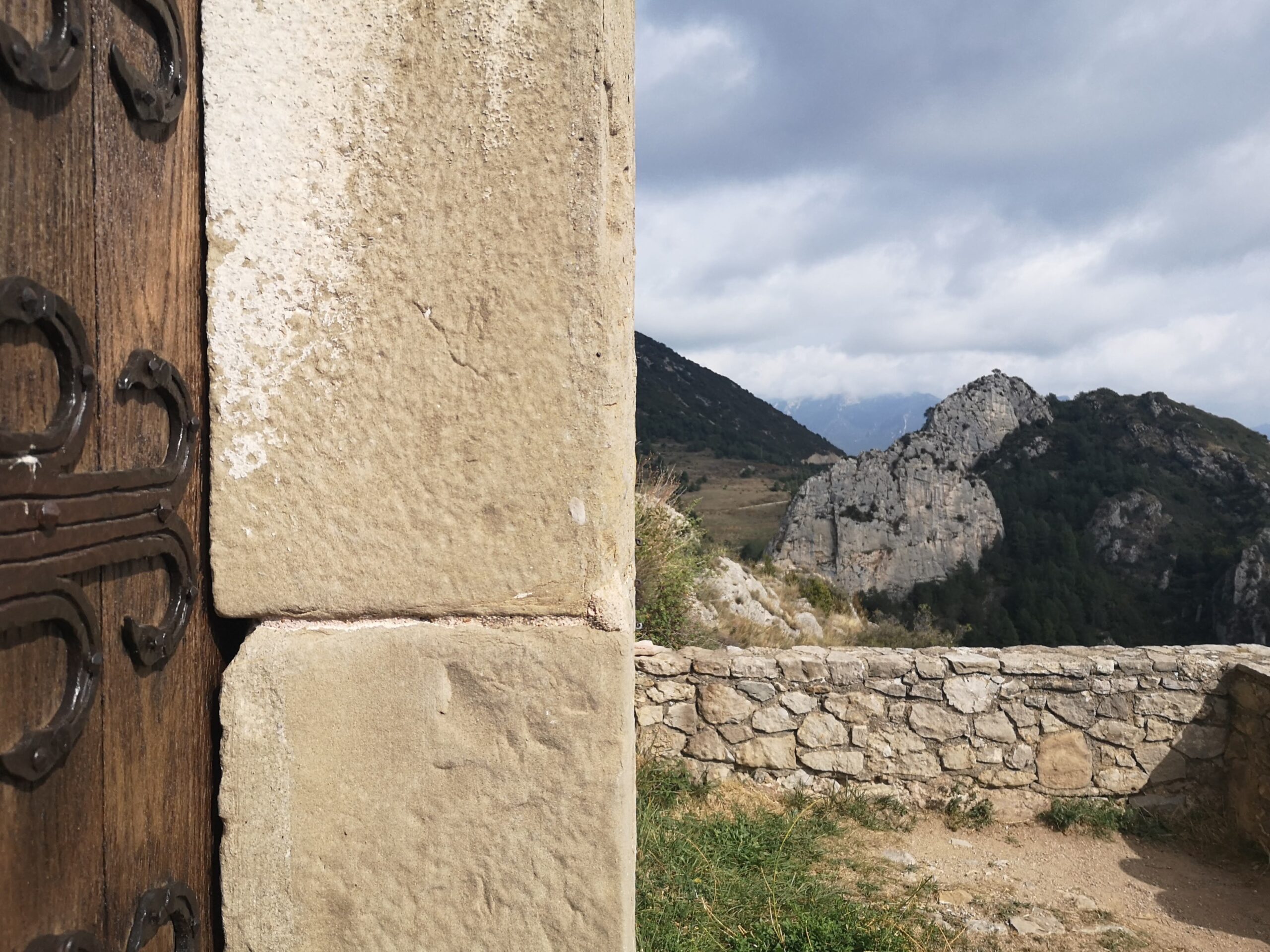
This is my first blog post, and I’m excited to share my insights with an interested audience. If you’ve landed on this page, you’re likely eager to learn about Europe. In this article, I will provide a brief overview of Europe’s diverse facets and highlight aspects that should not be underestimated. However, in this blog, I won’t delve into the workings of EU administration, as other authors are more knowledgeable on that topic. Instead, I aim to engage in a bottom-up discussion about what Europe is and who Europeans are.
“Unity in diversity” is a humble idea that allows us to develop strength through respect for one another, tolerance, and friendship, overcoming cultural barriers and political frontiers.
First of all, let’s consider the continent of Europe, which includes all countries west of the Ural Mountains. Then there is the European Union (EU). My perspective is primarily shaped by my experiences within the EU. However, I prefer not to limit my blog solely to EU countries. But one phrase in the Union’s contracts resonates with me: “Unity in diversity.”
“Unity in diversity” is a humble idea that allows us to develop strength through respect for one another, tolerance, and friendship, overcoming cultural barriers and political frontiers.
Europe’s landscapes are full of contrasts: from green, lush fields to dry, arid steppes; from fjords with snow-covered mountain ranges in Norway to banana plantations in Crete and the Canary Islands. There are regions rich with lakes and others filled with islands.
These landscapes have shaped behaviours and cultures, leading to the rich tapestry we see today. People living in these diverse environments have evolved in different ways. You can encounter farmers who plough with horses and others who use large machinery, which can be pretty intimidating if you happen to see them on the highway due to their size.
Throughout history, people have migrated within the continent before beginning to emigrate abroad. These migration movements introduced vineyards to the British Isles during the Roman Empire, the Visigoths brought architectural styles from the North to the Iberian Peninsula, and people on the move even brought recipes from one place to the other, like this particular walnut cake recipe from France to the region of Graubünden in Switzerland, where it is typical now.
Speaking of recipes, when we look at Berlin’s cuisine, for example, we find very few dishes that could be considered truly “authentic” to the area. Instead, we see influences from Polish, Bohemian, and Huguenot migrants that have enriched the once modest cuisine of this sandy region.
We should not underestimate the power of peaceful cultural exchange as a catalyst for innovation within Europe. At the same time, we must acknowledge the dangers posed by conflicts, as European history is also marked by wars, terror, and invasions. European cultures bear the scars of defeat and the pride of triumph, all products of thousands of years of conflict and bloodshed.
Perhaps this is what serves as common ground in this part of the continent: emerging from adversity, Europe has developed a strong desire to overcome them, ultimately leading us to be united in our diversity. But pitfalls are still there.
A you can see…
As you can see, I have a very personal approach to Europe, based on how climate and nature have shaped cultures and people. I hope my blog enriches your view of Europe. If you want more information on the diversity of European scenery, please visit the menu point ‘Landscapes’, where I have selected pictures I have taken throughout my travels. Each image includes a link to Google Maps to help you find it.
Leave a Reply