
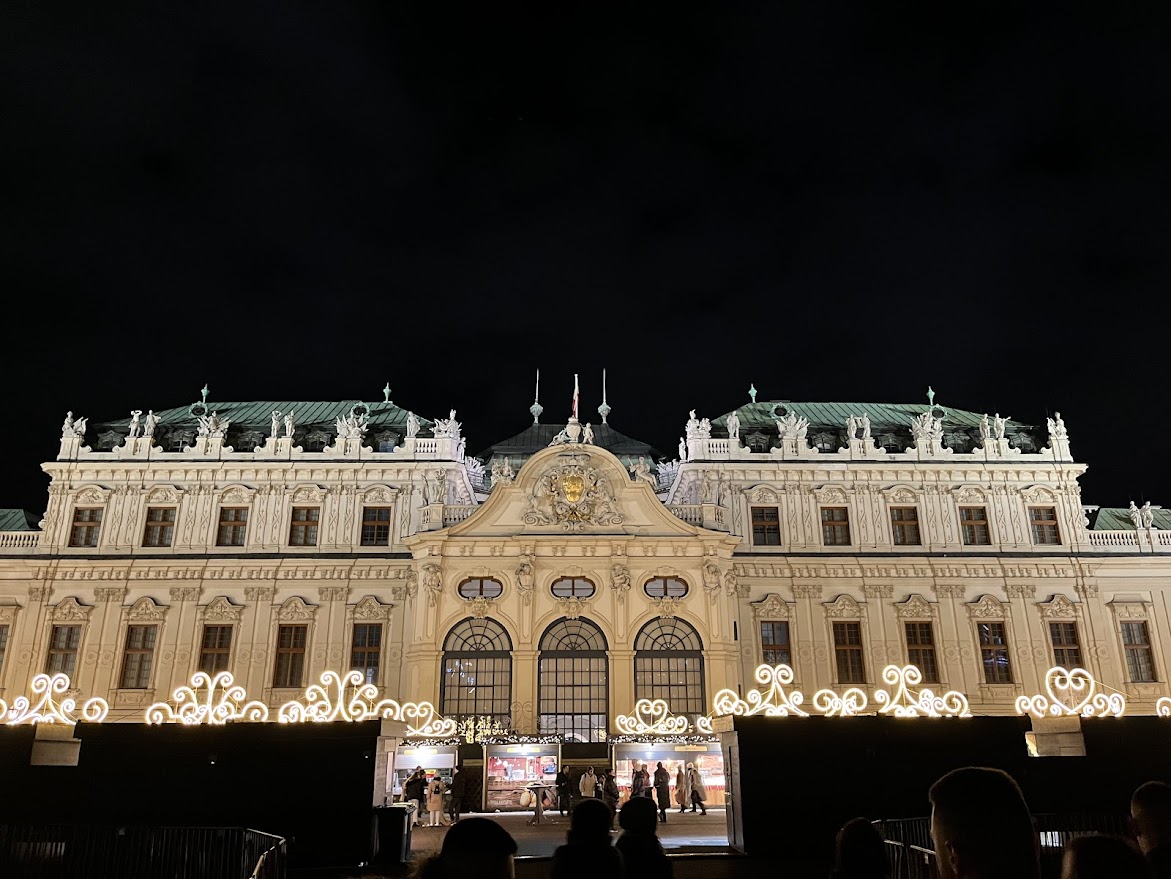
I am passionate about European Art History and have studied it continuously. During the process, it is enlightening to discover that in other countries, art history might be taught in different places, emphasising different aspects. For example, when I went to an Art high school in Germany, Ancient Greece and Rome, the Renaissance, and the -isms of the early 20th century might have been the most focused on. However, my studies at the La Massana Applied Arts School in Barcelona revealed fresh perspectives, particularly regarding artistic influences of the Visigoths during the Migration Period (c. 300 to 600 AD) to the Iberian Peninsula, profound impact of the Arabic domination on artistic expression in the peninsula that followed later.
In Austria and the Czech Republic, Art Nouveau and Secession Style might have a much greater importance in Art History than in other places, where Art Nouveau was not that explosive. At the same time, France prides itself on being home to many prodigious artists across all epochs, as well as to the classical modernism of the late 19th and mid-20th centuries. Modern Greece claims Byzantine Art as the nation’s centre point and highlights the modern artistic movements associated with it at the beginning of the 20th century.
As we can see, art history in Europe is far from homogeneous. But there are common traits, and sometimes, a short overview helps sort things:
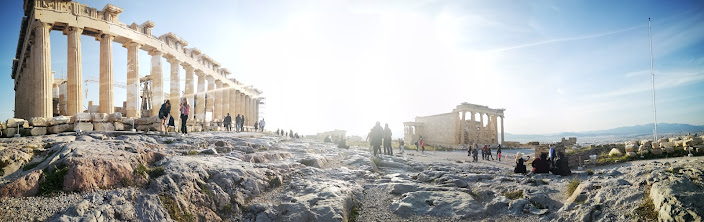
Classical Greece, 5th-3rd century BC
In Europe, there is a country that has given the world the symbol of museums: an ancient Greek temple. We consider it rightly the cradle of our European civilisation. Greece is the birthplace of classical antiquity, associated with ideas such as democracy, philosophy, mathematics, architecture, sculpture, astronomy, and many more.
***
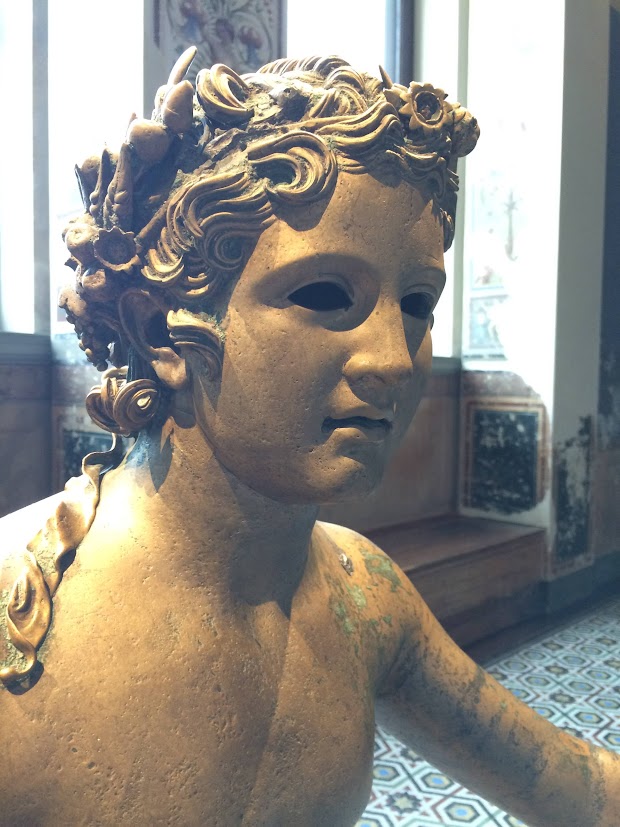
Ancient Rome, 5th century BC – 5th century AC
The Roman Empire’s artistic style is a direct heritage of ancient Hellas, Greece. Sometimes, distinguishing between Greek and Roman sculptures is not easy, since Roman sculptures often copied Greek statues. If you look closely, you will notice greater authenticity and a more profound love for the beauty of the human form in Greek sculpture. Romans, in turn, perfected their architectural skills, which enabled them to construct much larger and more sophisticated buildings.
***
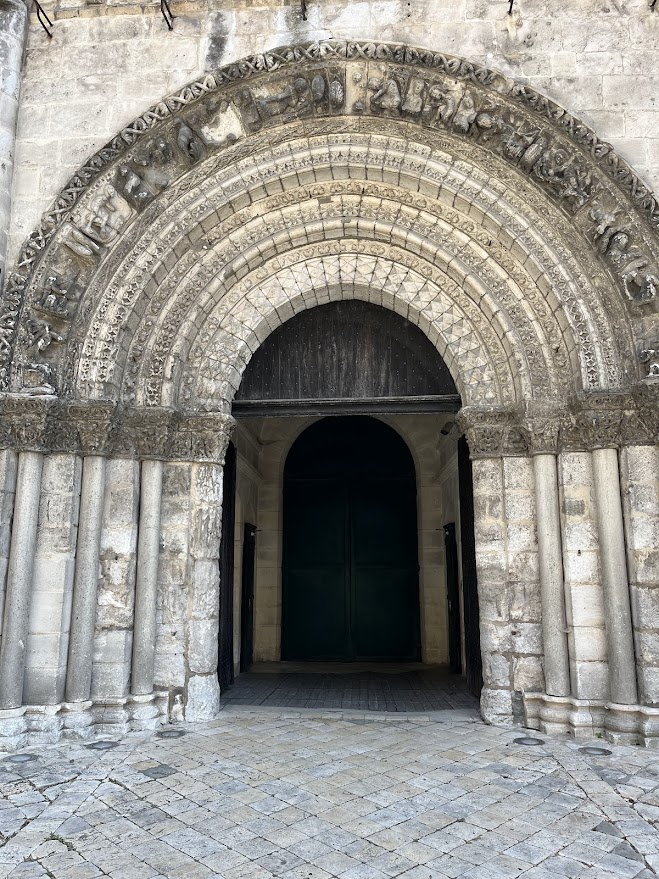
Romanesque art, 10th century -12th century
Heritage from the eastern Roman Empire and, after the fall of the Roman Empire, the Romanesque style can be considered the first pan-European art style, deeply connected to the Catholic faith. You can find the characteristic round arches in many churches. Romanesque Art has a strong sculptural aspect; paintings are less well preserved but are known for the use of primary colours and Christian motifs.
***
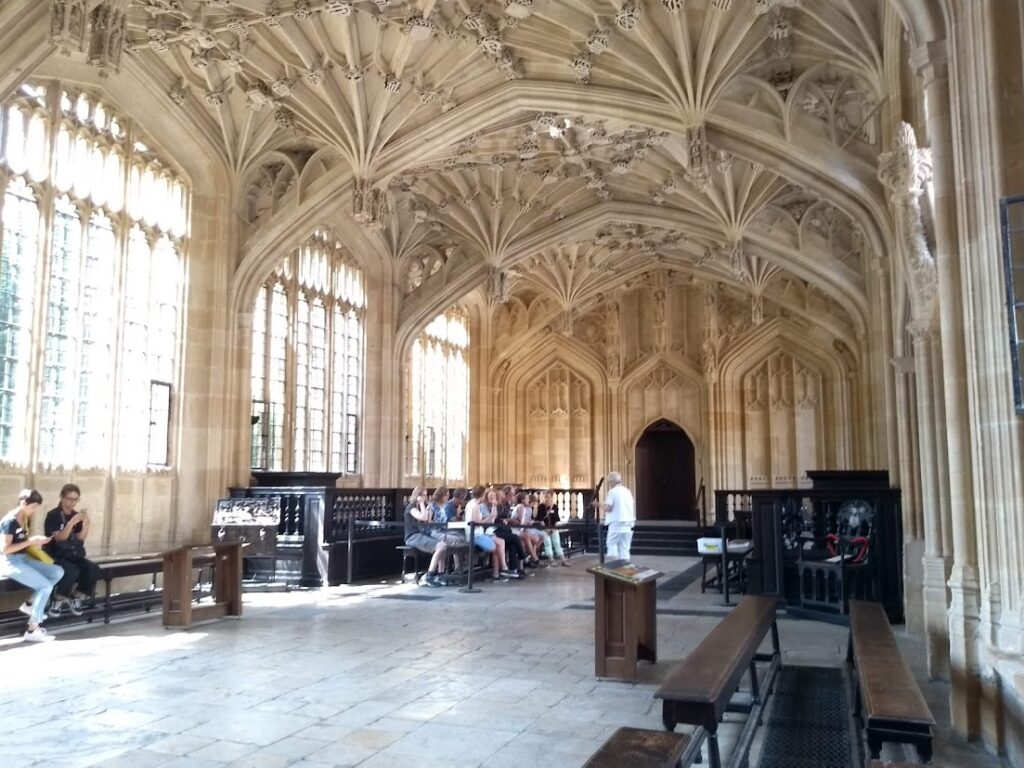
Gothic art, 12th – 14th/15th century
The high times of cathedrals in Europe. Imagine any Cathedral in France and you get what the Gothic Style is about: filigree in sculptures, high arches, colourful windows, and of course: monumental buildings in the honour of God. Oftentimes, these Cathedrals were built over several generations and even over centuries. It is said that the famous cathedral in Cologne was free of scaffolding for the first time ever in 2023.
***
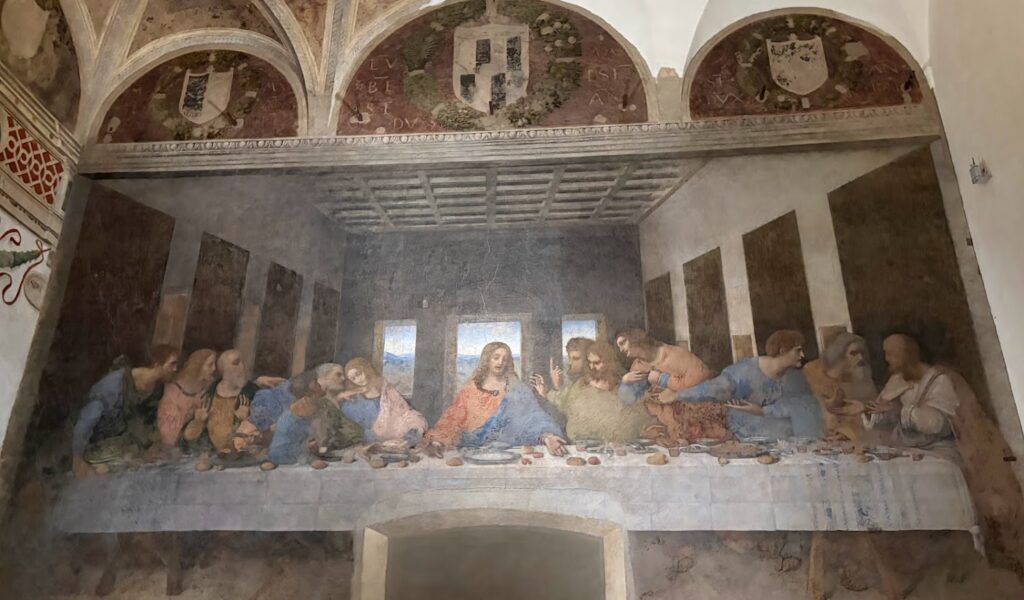
Renaissance, 14th-16th Century
Florence is often deemed the cradle of the Renaissance, where southern European powers sought to showcase their prowess in response to the Gothic style perfected in the north. This period marked a significant shift from the Middle Ages to modernity, characterized by scientific revolutions and the advent of techniques like vanishing-point perspective, pioneered by Brunelleschi. This innovation brought a naturalistic quality to paintings, a stark contrast to the limitations of parallel perspective seen in medieval art.
***
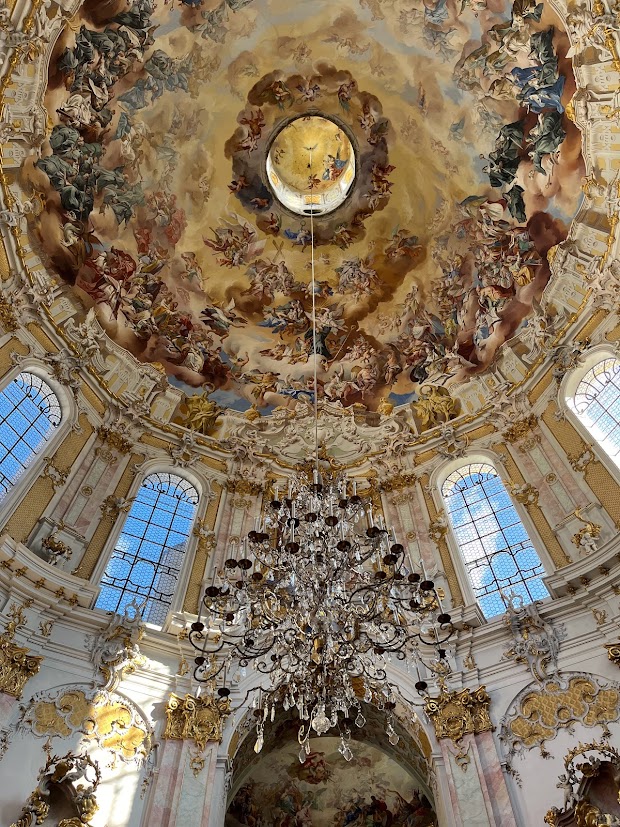
Baroque, 17th-18th century
An overload of ornament in all senses. The Catholic Church heavily promoted the Baroque style to inspire awe and attract people to its teachings of Christianity, amidst the rise of Protestantism and its austere practices. The idea of absolutism in political power took hold, and royals were happy to build lavish Baroque palaces in their honour to display power and abundance. Born in Italy, the baroque style quickly spread to France, Spain, and Portugal, then to Austria, southern Germany, Poland, and Russia, also influencing colonies through Spanish and Portuguese expansion. In its end, Baroque gave rise to various other styles that carried on its exuberant aesthetic, such as Rococo and Mannerism.
***
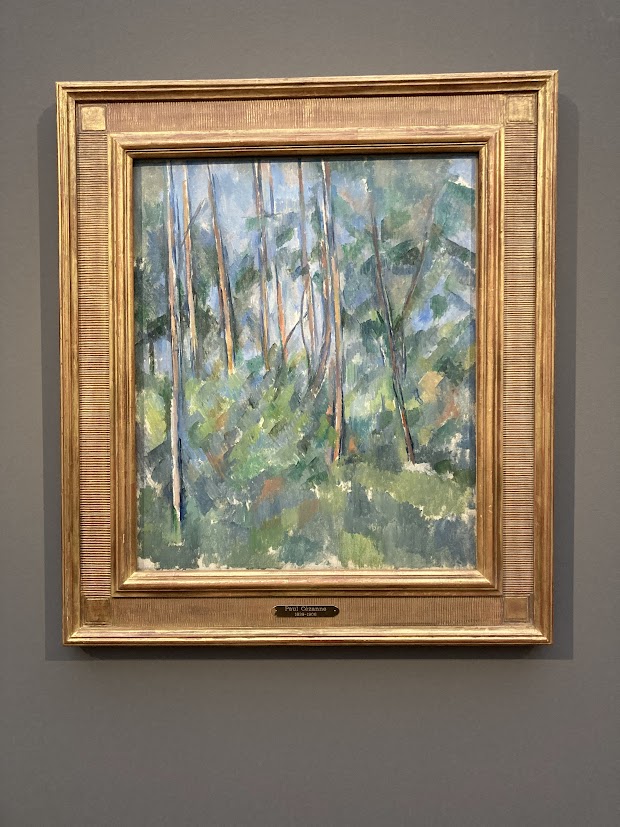
Romanticism, Realism, Impressionism, 19th century
The 19th century witnessed a flourishing of artistic movements, largely as a response to the Industrial Revolution. New societal groups, not only to nobility, came into positions of economic independence. Science introduced new pictorial methods, such as photography and cinematography, which freed Art from being a mere transmitter of a notion of reality. Impressionism, for example, paved the way for 20th-century abstract art by giving the ‘impression’ of how an artist saw a place, not how it was meant to look. It was the moment when artists left their studios to paint in plein air and gain a fresh perspective on nature.
***
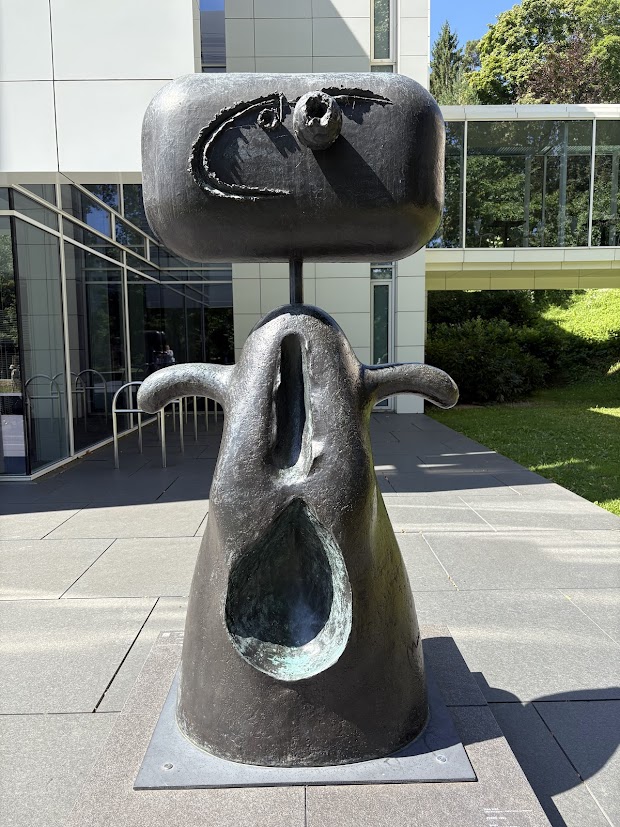
Fauvism, Cubism, Futurism, Surrealism, Abstract Expressionism, land art, minimalism, pop art, etc, 20th century
Once the artist’s personal stance is unleashed to express freely, a full range of new currents in Art emerges. That’s why 20th-century art history can be overwhelming. Not only because of new artistic freedom but also because of political turmoils that left their mark on Art. Amongst them, we not only see new ideas, but also regressive styles imposed by dictatorships to return to a supposed harmony of the Art of past centuries and silence critical thinking.
***
In summary, Europe’s art history is rich in variety and complexity, defined by its unique regional characteristics and interconnected developments. Understanding these nuances allows for a more complete appreciation of the continent’s artistic heritage.
If you want to know more about the history of European art, I recommend any book by Erich Gombrich for further reading.

Leave a Reply