
” Γνῶθι σεαυτόν” – Inscription at the entrance of the Temple of Apollo at Delphi
Tag: european
-
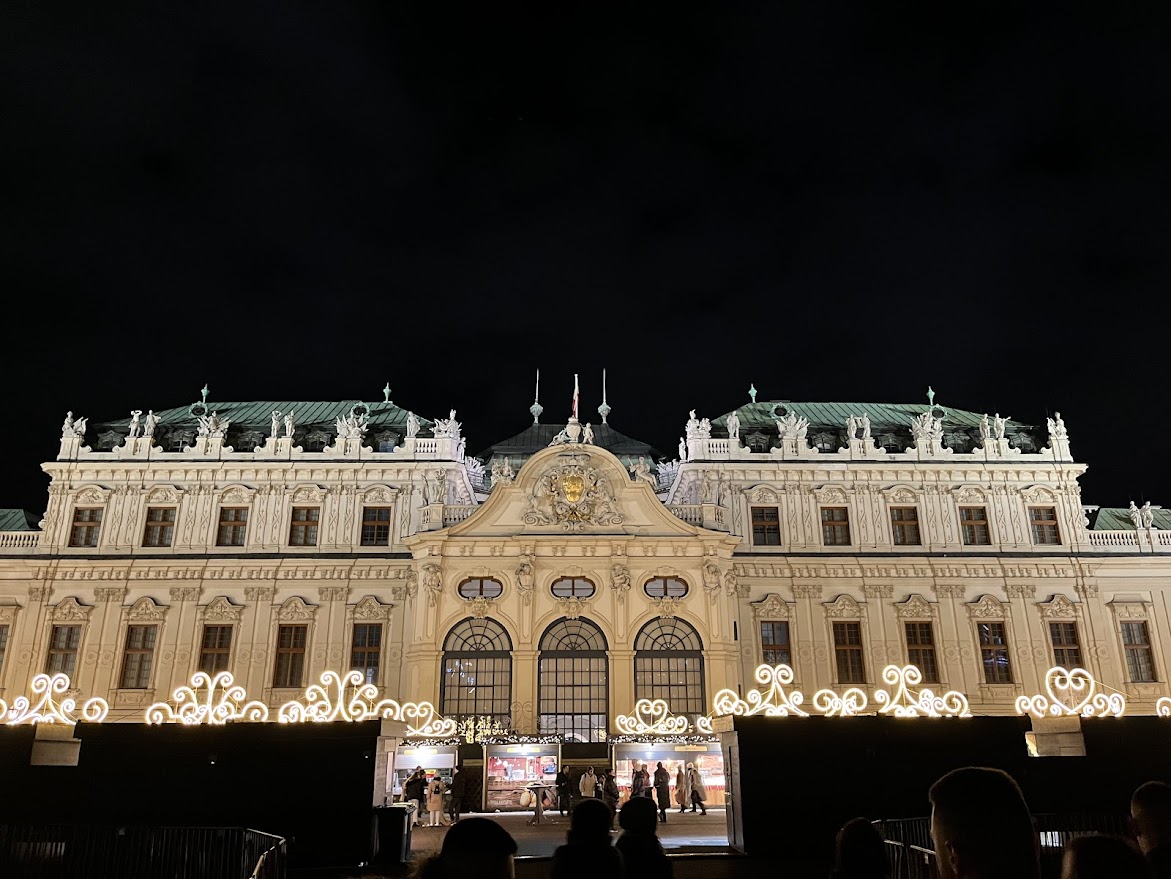
I am passionate about European Art History and have studied it continuously. During the process, it is enlightening to discover that in other countries, art history might be taught in different places, emphasising different aspects. For example, when I went to an Art high school in Germany, Ancient Greece and Rome, the Renaissance, and the…
-

Or better: May I introduce you to my family tree? We are living in a rush. Sometimes I have overlooked the importance of things that cannot be purchased with money. Namely: history and heritage. But now I believe that understanding your own history is crucial because it provides you with a unique perspective and insight…